Auto Industry: Driving Innovation and Shaping the Future of Mobility
The automotive industry, commonly referred to as “auto,” is a cornerstone of modern society. From revolutionizing transportation to driving technological innovation, it has shaped economies, connected communities, and redefined how people and goods move. This article explores the evolution of the auto industry, its significance, the challenges it faces, and its future trajectory.
The Evolution of the Auto Industry
The history of the automobile dates back to the late 19th century when innovators like Karl Benz and Henry Ford laid the groundwork for modern vehicles. The introduction of Ford’s Model T in 1908 marked a significant milestone, making cars affordable for the average American through assembly-line production.
In the decades that followed, the industry experienced rapid growth, with advancements in safety, design, and fuel efficiency. The 20th century witnessed the rise of iconic brands like General Motors, Toyota, and Volkswagen, which became global leaders in manufacturing and innovation.
The Significance of the Auto Industry
- Economic Impact:
The auto industry is a major contributor to global economies, providing millions of jobs in manufacturing, sales, logistics, and aftermarket services. - Connectivity:
Automobiles have revolutionized transportation, enabling people to travel long distances with ease and facilitating the growth of trade and tourism. - Technological Advancement:
The sector has been at the forefront of innovation, pioneering technologies such as internal combustion engines, hybrid systems, and autonomous driving. - Cultural Influence:
Cars have become symbols of freedom, status, and personal identity, influencing art, fashion, and popular culture.
Challenges Facing the Auto Industry
Despite its achievements, the automotive sector faces several challenges:
- Environmental Concerns:
Vehicle emissions contribute significantly to global warming. The shift toward electric and hybrid vehicles is an ongoing effort to address this issue. - Supply Chain Disruptions:
Events like the COVID-19 pandemic and geopolitical conflicts have disrupted supply chains, impacting production and delivery. - Technological Competition:
The race to develop autonomous and electric vehicles has intensified competition, requiring significant investments in research and development. - Regulatory Pressures:
Governments worldwide are imposing stricter emissions standards and safety regulations, adding complexity to manufacturing processes.
Emerging Trends in the Auto Industry
- Electric Vehicles (EVs):
EVs are gaining popularity as eco-friendly alternatives to traditional combustion-engine vehicles. Companies like Tesla, BYD, and legacy automakers are investing heavily in this segment. - Autonomous Driving:
Self-driving cars are no longer a distant dream, with companies like Waymo and Tesla testing advanced autonomous systems that promise safer and more efficient transportation. - Connected Cars:
Internet-enabled vehicles offering features like real-time navigation, entertainment, and remote diagnostics are becoming standard. - Shared Mobility:
Ride-sharing platforms and car subscription models are transforming car ownership, emphasizing convenience over ownership.
The Future of the Auto Industry
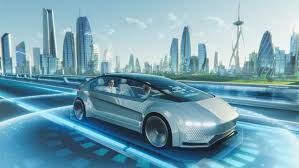
The future of the auto industry lies in sustainability, connectivity, and automation. Advancements in battery technology, artificial intelligence, and renewable energy are set to redefine transportation. Smart cities, integrated with intelligent traffic systems and autonomous vehicles, are on the horizon, promising safer, cleaner, and more efficient mobility solutions.
Conclusion
The auto industry is not just about manufacturing cars; it is about driving progress, innovation, and sustainability. Despite its challenges, the industry continues to adapt and evolve, paving the way for a more connected and environmentally friendly future.
Whether it’s the thrill of a sports car, the efficiency of an electric vehicle, or the promise of autonomous mobility, the world of auto remains a fascinating and integral part of our lives.