hostile work environment
A hostile work environment can develop due to various negative behaviors that create discomfort, stress, or fear among employees. These behaviors may come from supervisors, coworkers, or even clients and can significantly impact workplace morale and productivity. Understanding the types of actions that contribute to workplace hostility is essential in preventing and addressing them effectively.
One of the most common behaviors that contribute to a what kind of lawyer do i need for a hostile work environment is workplace harassment. This can take many forms, including verbal abuse, offensive jokes, slurs, or inappropriate comments about someone’s race, gender, religion, or other personal characteristics. Harassment can create a toxic atmosphere, making employees feel unsafe or unwelcome in their workplace. Even if the behavior is intended as a joke, repeated offensive comments or actions can have a lasting negative impact.
Bullying is another major factor that can create workplace hostility. This includes repeated intimidation, humiliation, or aggressive behavior directed toward an employee. Workplace bullying may involve spreading rumors, undermining a coworker’s work, excessive criticism, or purposefully excluding someone from team activities. When employees are subjected to such behavior, it can lead to anxiety, decreased job satisfaction, and even physical health issues due to stress.
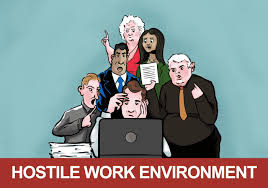
What behaviors contribute to a hostile work environment?
Discrimination also plays a significant role in fostering a hostile work environment. If employees are treated unfairly based on their age, gender, race, disability, sexual orientation, or other protected characteristics, it can create a sense of inequality and resentment. Discriminatory hiring, promotion, or disciplinary practices can lead to a toxic workplace culture where employees feel undervalued and mistreated. Employers must ensure that all workplace policies promote fairness and inclusivity to prevent discrimination from affecting morale.
Lack of proper management can contribute to workplace hostility as well. When leadership is unresponsive, dismissive, or fails to address conflicts, employees may feel unsupported and unheard. Poor management can also include favoritism, inconsistent enforcement of policies, or ignoring employee complaints. If employees feel that their concerns are not taken seriously, they may lose trust in their employer, leading to disengagement and dissatisfaction.
Another contributing factor to a hostile work environment is workplace gossip and negative communication. When employees engage in harmful rumors or spread misinformation about their colleagues, it creates unnecessary tension and conflicts. A workplace that allows or encourages gossip can quickly become toxic, affecting trust and collaboration among team members. Encouraging open and respectful communication can help prevent these issues from escalating.
Excessive workloads and unrealistic expectations can also lead to workplace hostility. When employees are constantly pressured to meet unreasonable deadlines or forced to work long hours without proper recognition, it can result in burnout and resentment. A lack of work-life balance can make employees feel undervalued and overworked, which contributes to an overall negative work atmosphere. Employers should ensure that workloads are manageable and that employees receive the support they need to perform their tasks effectively.
Employees who experience persistent hostility in the workplace may seek legal guidance to protect their rights. Many individuals facing such issues may wonder, what kind of lawyer do I need for a hostile work environment? Typically, an employment lawyer specializing in workplace harassment and discrimination can provide the necessary legal advice and representation. Seeking legal help can be crucial in ensuring that employees receive fair treatment and that employers are held accountable for maintaining a safe work environment.
Addressing the behaviors that contribute to a hostile work environment is essential for creating a positive and productive workplace. Employers and employees alike must recognize these negative actions and take steps to foster a culture of respect, inclusion, and professionalism. By actively preventing workplace hostility, businesses can improve morale, increase productivity, and promote a healthy work environment for everyone.