The Digital Transformation of Arts and Entertainment: How Technology is Redefining Creativity
The arts and entertainment industry has long been a cornerstone of culture and society, captivating audiences worldwide with its storytelling, performances, and visual artistry. However, the digital age has brought forth a wave of change that is reshaping how art is created, consumed, and experienced. With the rise of new technologies like virtual reality, artificial intelligence, and streaming platforms, the boundaries of creativity are being pushed further than ever before. From interactive art installations to AI-generated music, the fusion of technology and the arts is forging a new era of entertainment that promises to engage audiences in groundbreaking ways.
Virtual Reality: A New Dimension for Art and Performance
Virtual reality (VR) is quickly becoming a transformative tool in the arts and entertainment sector. Artists, musicians, and filmmakers are using VR to create immersive experiences that transport audiences into entirely new worlds. VR art installations allow viewers to interact with and explore 3D artworks in ways that were previously impossible, breaking down the traditional boundaries between creator and spectator.
In the realm of performance, VR is being used to produce live-streamed concerts, theater performances, and even operas that give audiences a front-row seat from the comfort of their homes. These experiences can be enhanced by immersive environments, where the viewer becomes part of the performance, participating in the narrative rather than simply watching it unfold. For example, VR experiences like “The Under Presents” and “Alice: A Virtual Reality” have provided innovative ways for theatergoers to experience stories in a fully interactive, digital space.
Artificial Intelligence: Redefining Creativity and Artistic Production
Artificial intelligence (AI) is beginning to leave its mark on the creative process, opening up new possibilities for artists and entertainers. AI-driven tools are being used to generate visual art, compose music, write stories, and even design video game characters. While the idea of machines creating art may seem futuristic, the results are nothing short of impressive. AI-generated paintings, for example, have been exhibited in major galleries, challenging traditional notions of authorship and creativity.
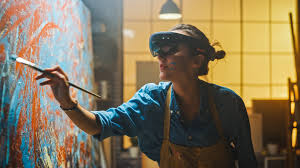
One notable example is the AI-created artwork “Portrait of Edmond de Belamy,” which was sold at auction for over $432,000. This portrait, produced by the Paris-based collective Obvious using a machine learning algorithm, sparked debates about the role of technology in art creation. Similarly, AI-generated music is being embraced by the music industry, with algorithms capable of composing original compositions in various genres. Artists are also using AI to enhance their work, experimenting with tools that can analyze patterns and create innovative soundscapes.
Streaming Platforms: The New Era of Content Consumption
Streaming platforms like Netflix, Spotify, and YouTube have revolutionized the way we consume entertainment. In addition to offering on-demand access to films, TV shows, and music, these platforms have become vital spaces for emerging talent and independent creators to showcase their work to a global audience. With millions of subscribers worldwide, streaming services are now the primary distribution channels for entertainment content.
For filmmakers, streaming platforms have offered a new avenue for releasing films and TV series directly to consumers, bypassing traditional distribution methods like theaters and cable TV. This democratization of content has led to a surge in independent and international films gaining recognition, allowing for greater diversity in storytelling. In the music industry, streaming services have reshaped the landscape of music consumption, making it easier than ever for listeners to discover new artists and genres while providing musicians with a direct platform to reach global audiences.
Interactive and Immersive Entertainment: The Future of Audience Engagement
As technology continues to advance, interactive and immersive entertainment is gaining traction. Video games, escape rooms, interactive storytelling, and immersive theater are offering audiences more than just passive consumption; they allow for active participation in the narrative. This trend is particularly evident in the world of gaming, where players can influence storylines, solve puzzles, and interact with virtual characters in dynamic environments.
Interactive theater experiences like “Sleep No More” in New York City allow audience members to wander through multi-story sets, exploring the story from different perspectives. Similarly, “Bandersnatch,” a choose-your-own-adventure film released by Netflix, allowed viewers to control the direction of the plot, making the watching experience more personalized and engaging.
The Metaverse: Arts and Entertainment in a Virtual Universe
Looking ahead, the concept of the metaverse – a virtual, interconnected digital universe – is poised to transform the arts and entertainment industry further. This emerging digital realm promises to bring together gaming, social media, art, and entertainment into a single immersive experience. Artists, musicians, and creators are already exploring ways to perform, display art, and even host virtual galleries within the metaverse.
Virtual concerts, such as Travis Scott’s performance in Fortnite, have already attracted millions of viewers, illustrating the potential for large-scale digital events that blur the lines between gaming and live performance. As virtual worlds continue to evolve, the opportunities for creators to engage with their audiences in innovative ways will only expand.