Market Research Influence Business Decisions
Market research is a powerful tool that influences business decisions in many ways. It allows businesses to make data-driven decisions that drive growth and innovation. It also helps them avoid wasting resources by ensuring that they are developing a product that is viable in the marketplace. In addition, it provides valuable insights into consumer demands and expectations.
market research is the process of gathering information about your target market and customers to verify if your new product has viability. This includes determining whether there’s enough demand for the product and whether you can sell it at a competitive price that covers costs and delivers an acceptable profit margin.
Clearly defining the business problem you’re trying to solve or opportunity you’re exploring is crucial for ensuring that your research efforts are targeted and yield valuable insights. This also helps you define your research objectives, which will help you choose the best data collection methods for your specific needs.
Some companies use qualitative methods to gather insight, such as interviews, focus groups, and “mystery shopping” (sending employees into stores to observe customer interactions). Other firms rely on quantitative data, like survey results or sales metrics, to determine the viability of a new product. Often, these companies will test a new product in smaller markets before releasing it nationwide.
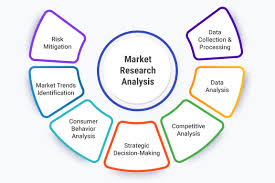
How Does Market Research Influence Business Decisions?
Market research provides important insights into how consumers react to your business’s products and services. It helps you identify potential trends and anticipate challenges before they become a reality. In a competitive industry, having access to this information is key to staying ahead of the competition.
To conduct marketing research, businesses send surveys to a group of people who closely represent their target audience. The responses to the surveys are then analyzed and extrapolated to the whole population. This data is essential for understanding consumer demands, assessing the effectiveness of a marketing campaign and determining if the company should introduce new products.
Businesses often conduct marketing research by interviewing frontline employees, asking questions during customer interactions or conducting “mystery shopping” to gather consumer feedback. Depending on the budget, companies may also hire third-party researchers to collect and analyze the data. However, this can be expensive and time-consuming. However, it’s worth the investment to understand how your customers respond to different product offers and stay competitive in a changing business landscape.
Businesses can use market research to develop marketing strategies for products and services, pricing, advertising, distribution, and more. These techniques can include qualitative research, such as interviews, focus groups, and surveys. These methods can provide valuable information about consumer opinions and perceptions, which can be used to create a hypothesis.
Market research can also help companies identify potential risks and make contingency plans. For example, if a company discovers that customers are dissatisfied with their customer service, it can take action by training its staff or developing self-help resources to address the issue.
Market research is a vital tool for any business. By understanding the needs of your target audience, you can develop a successful marketing strategy that will drive sales and increase profits. However, it is important to know how to conduct a proper study and gather the right data. This will help you avoid costly mistakes and save money. The use of advanced technology, such as artificial intelligence and machine learning, can also improve your marketing research process.
Market research helps companies develop new products by identifying what consumers want and are willing to pay for. The process involves a variety of tasks, including gathering and analyzing data, identifying trends, presenting results to colleagues, making decisions, and monitoring outcomes. In addition, it can help identify potential risks and opportunities for business growth.
Companies can collect data through a number of methods, including surveys and focus groups. They can also conduct a range of field tests, such as putting products in front of people to see how they react and sending employees on “mystery shopping” missions to gather information about customer experiences.
Using the right tools is crucial to ensuring that the process is successful. Using Qualaroo, for example, allows brands to deploy highly engaging surveys that collect the right data and deliver insights quickly. With this information, businesses can improve their product offerings and stay competitive. They can also avoid wasting time and money on products that won’t sell.